Commemoration event: 40 years of Chernobyl nuclear accident
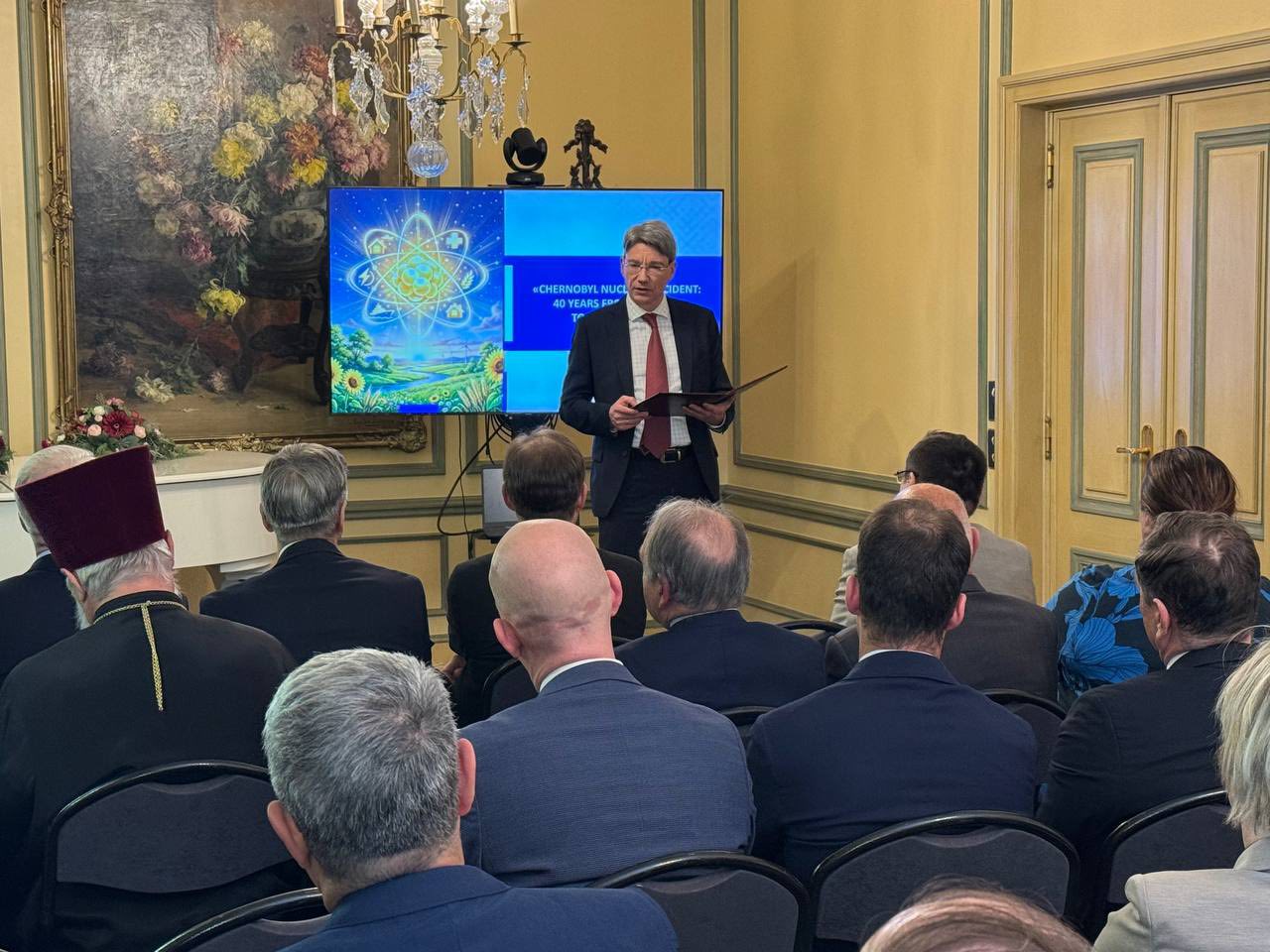
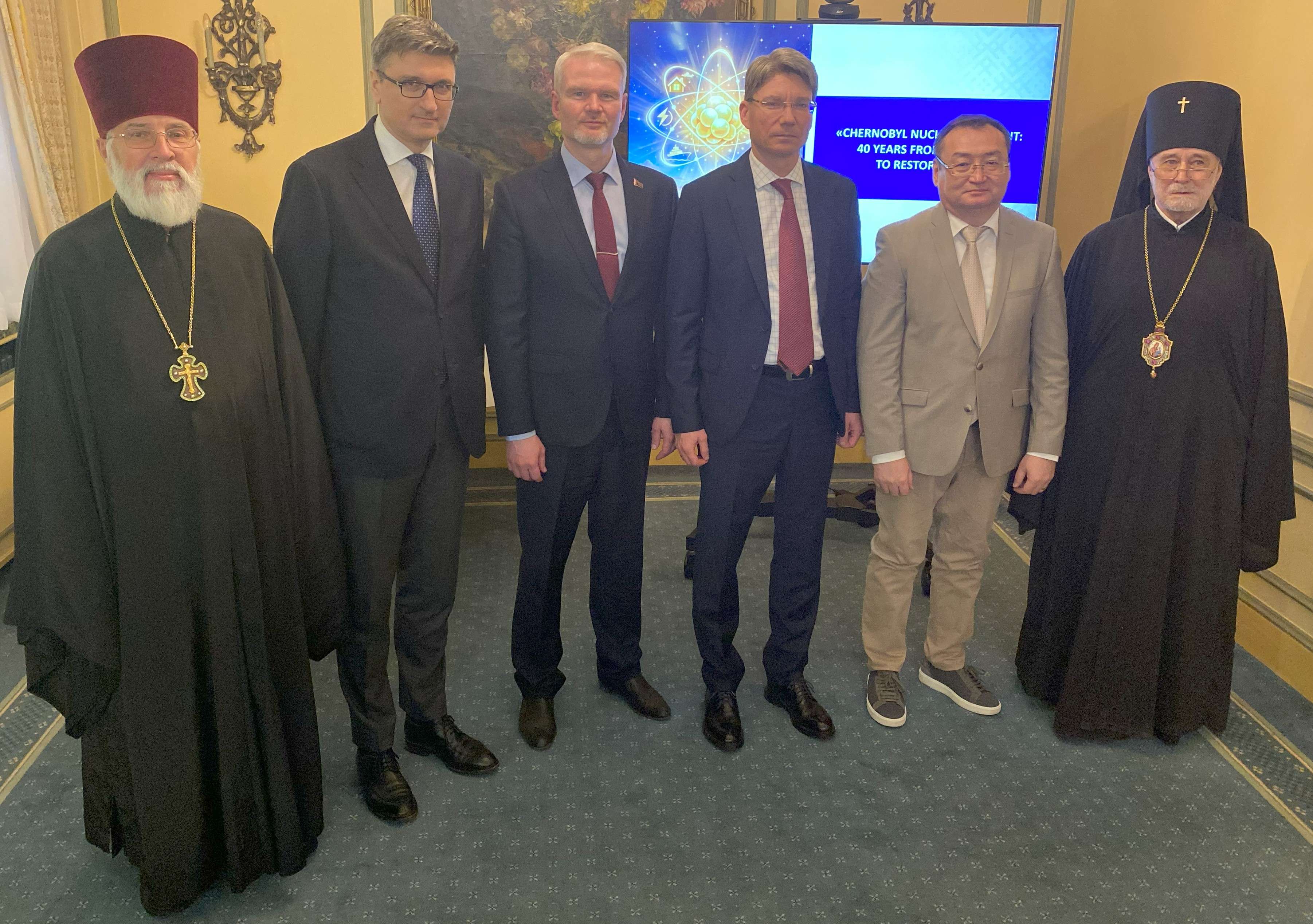
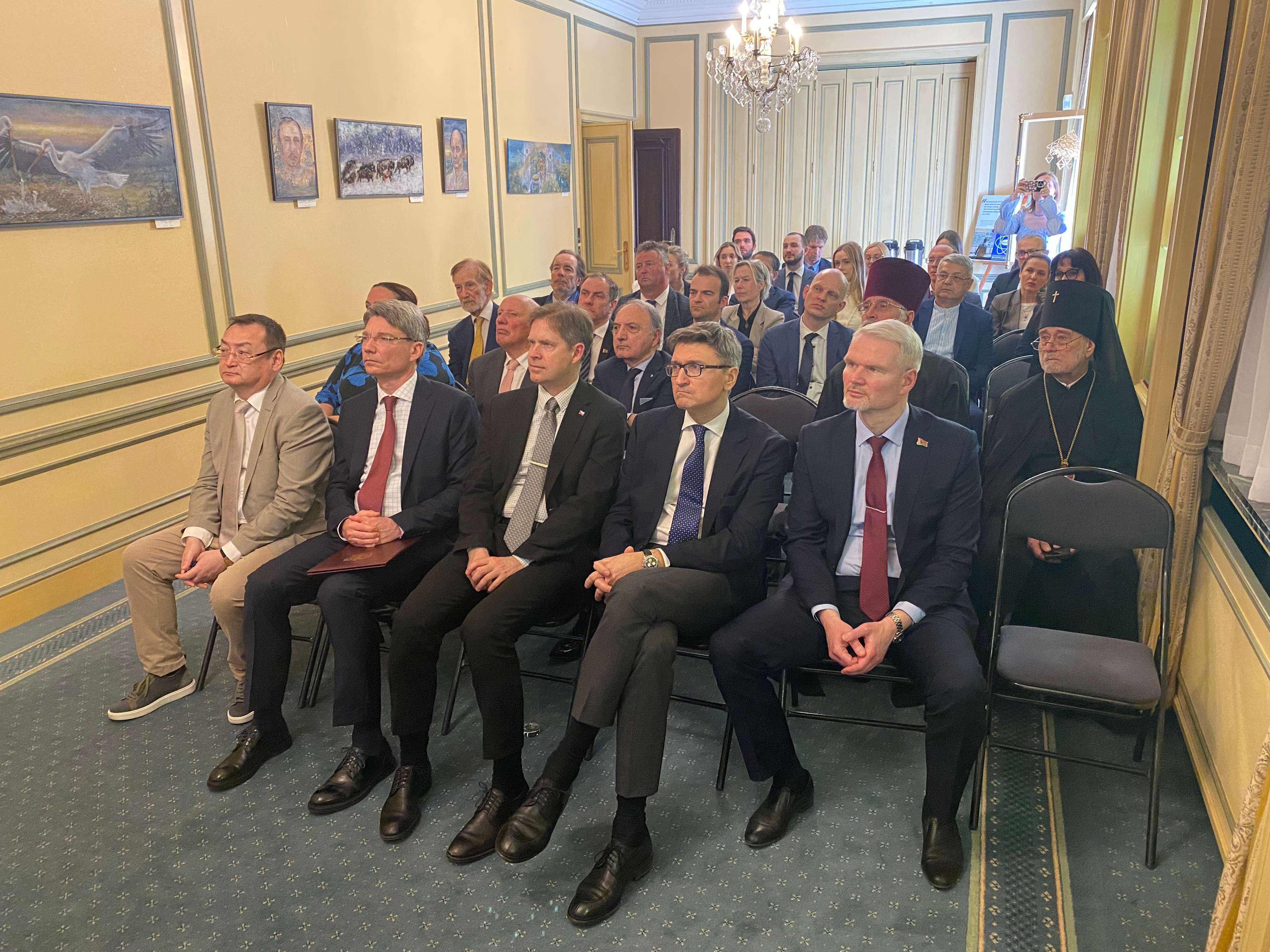
25.04.2026 On April 24, 2026, the Belarusian Embassy in Belgium hosted a commemoration event, devoted to 40 years since Chernobyl nuclear accident. The gathering brought together about 50 guests from the Belarusian diaspora, the diplomatic corps of CIS countries, representatives of the Belgian public circles and charitable organizations, the church, experts, and media.
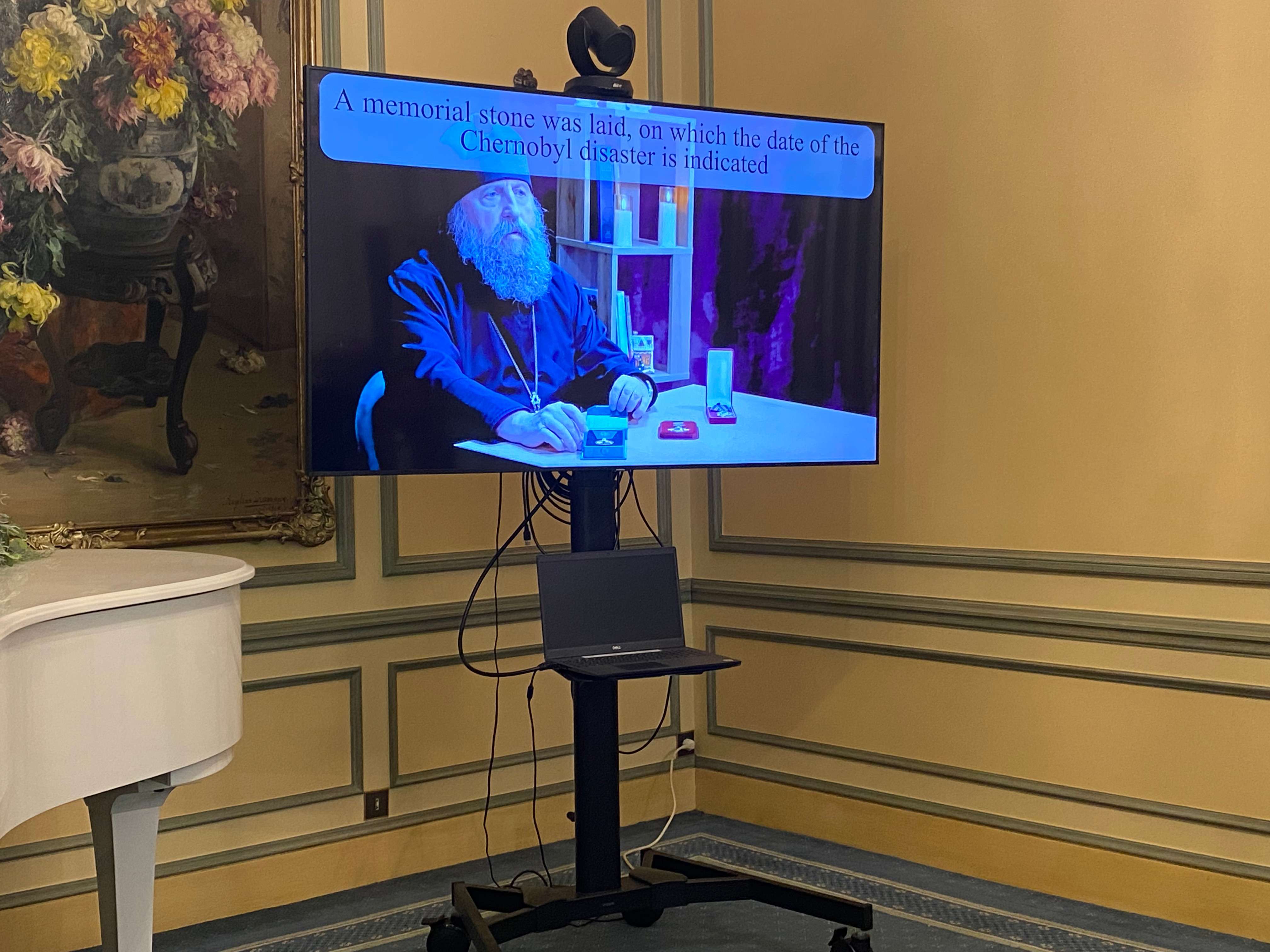
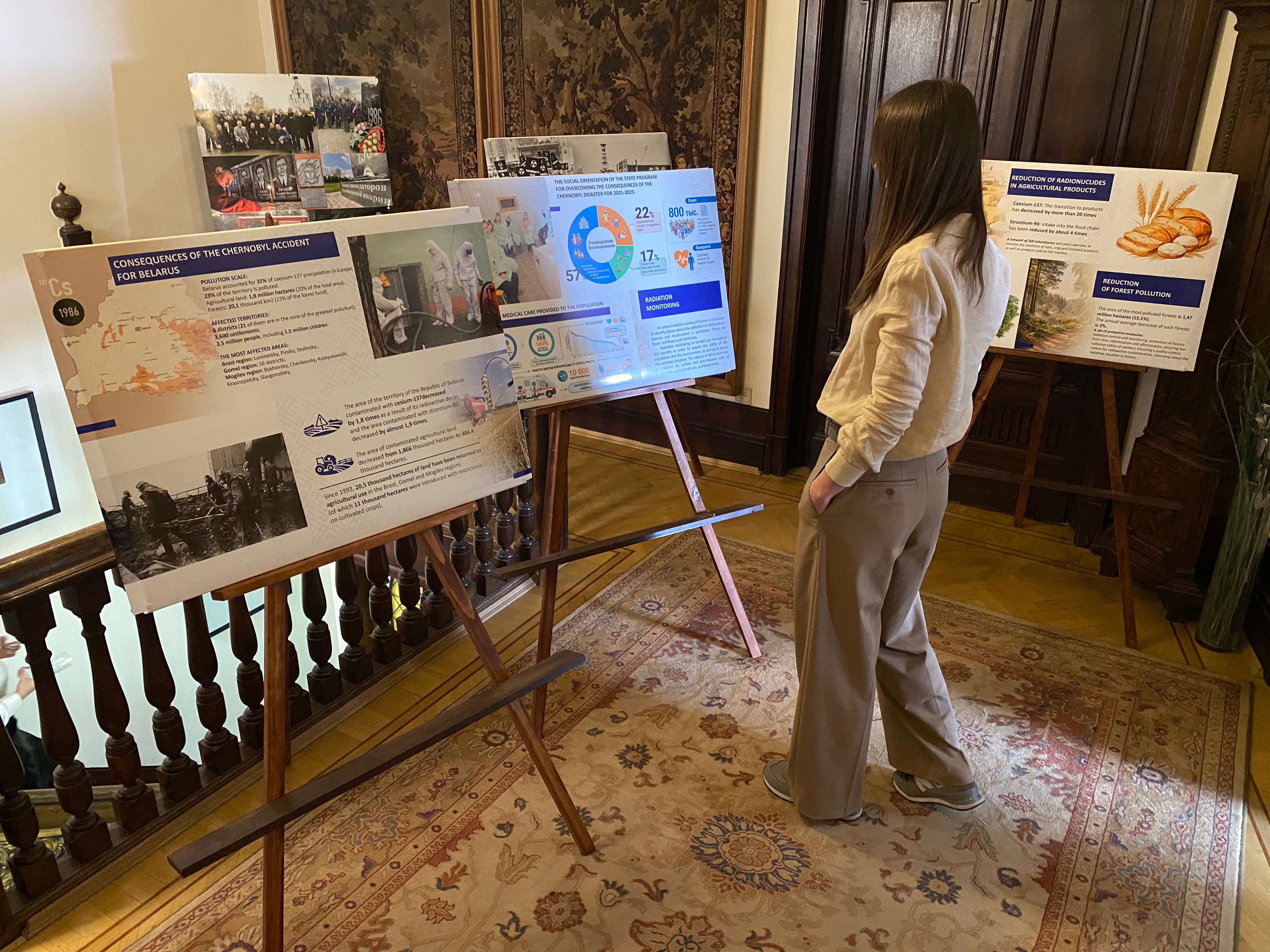
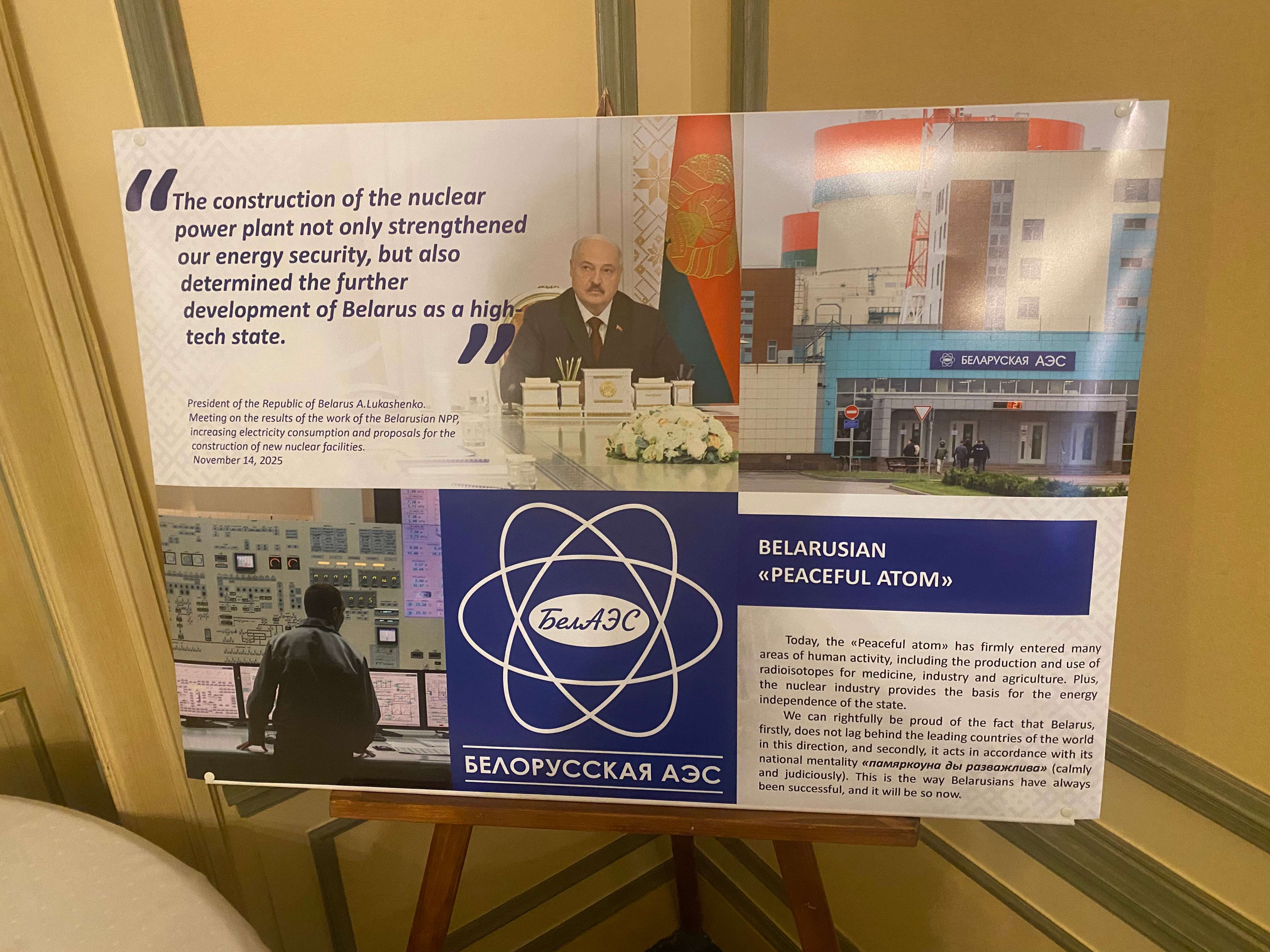
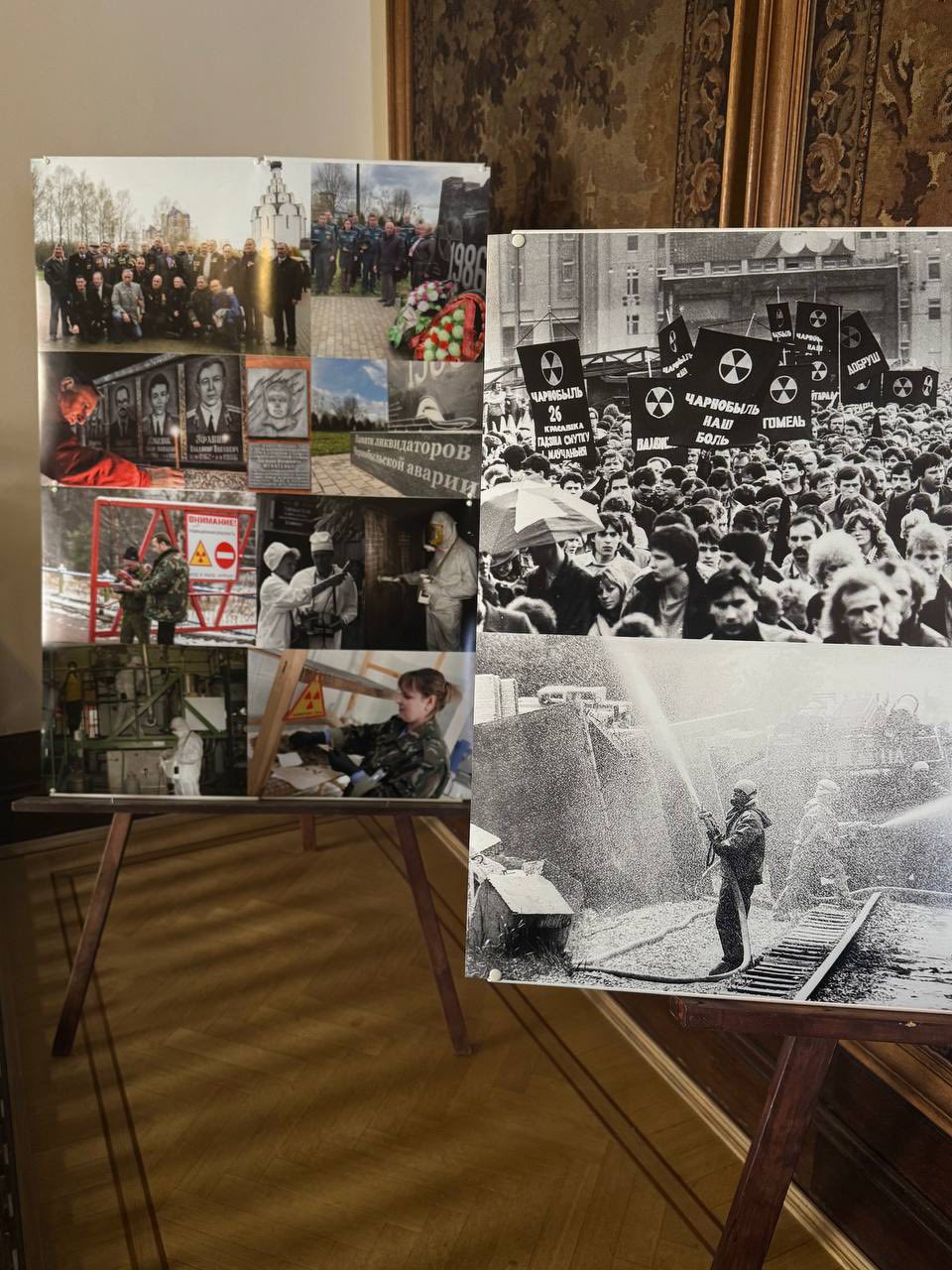
As part of the event, a film produced by the parish of the Church of the Icon of the Mother of God “Joy of All Who Sorrow” was screened. The film documented a memorial event held in Minsk with the participation of liquidators from all CIS countries. Participants viewed a thematic photo exhibition dedicated to the accident and the successful mitigation of its consequences in Belarus.
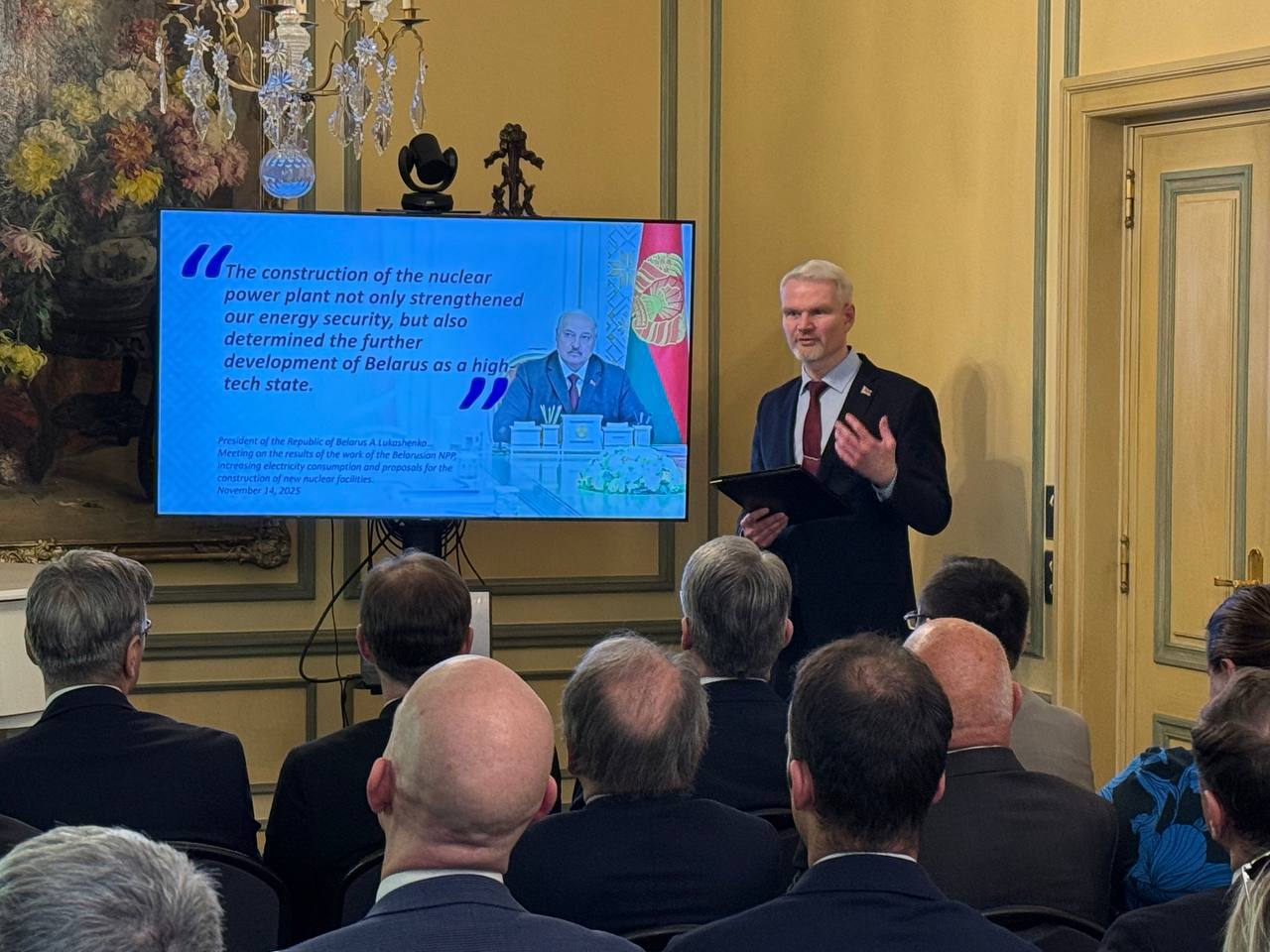
In his remarks, the Chargé d'Affaires of Belarus in Belgium highlighted the country’s significant achievements in overcoming the consequences of the accident, addressing environmental issues, developing infrastructure, constructing housing, providing medical rehabilitation, and creating conditions for comfortable living in the affected areas. He reported that the total cost of state programs to address the consequences of the accident from 1990 to 2025 exceeded $19 billion. Belarus’s annual expenditures for these purposes amount to about 3% of the country’s budget. He noted that following the construction of the Belarusian Nuclear Power Plant, Belarus has secured a reliable source of environmentally clean energy, ranking among the top three European countries with the lowest electricity prices.
Belarusian diplomat expressed gratitude to all countries, UN agencies, international organizations, and non-governmental charitable organizations, including those from Belgium, for their assistance in addressing the aftermath of the accident. He noted that despite the politicized reduction in Western foreign aid, friendly countries, including Russia and China, as well as the UN, UNDP, WHO, and IAEA, continue to provide assistance. Significant funds are allocated through the Union State of Belarus and Russia. He emphasized that the topic of Chernobyl should not be the subject of political speculation. Overcoming the consequences of the accident is first and foremost a matter of people’s fates and the preservation of humanitarian ties, free from political disagreements, including with European neighbors.
Russian Ambassador to Belgium D.V. Gonchar highlighted the crucial role of rescue workers who arrived from all the republics of the USSR in mitigating the consequences of the accident, and expressed regret over attempts by Ukrainian authorities and Western countries to politicize the tragedy and cast doubt on the heroic deeds of the Soviet people. He noted the Russian side’s readiness to share advanced technologies for the use of “peaceful nuclear energy,” as evidenced by the world’s largest number of projects undertaken by the state corporation Rosatom to build nuclear power plants abroad.
Representatives of Belgian charitable organizations and business also addressed the gathering, sharing their stories of humanitarian cooperation with Belarus and assistance provided to those affected by the accident, including children, and expressing their hope for the restoration of people-to-people ties. A number of Belgian civil society organizations, in particular OKiN, were awarded by the mark of distinction, named “For Merit in Overcoming the Consequences of the Chernobyl Nuclear Power Plant Disaster”, for their active participation in Chernobyl-related efforts, including the rehabilitation of Belarusian children.